

Table of Contents:
What Is Roof Decking?
The Part of Your Roof You Never See — But Should Never Ignore
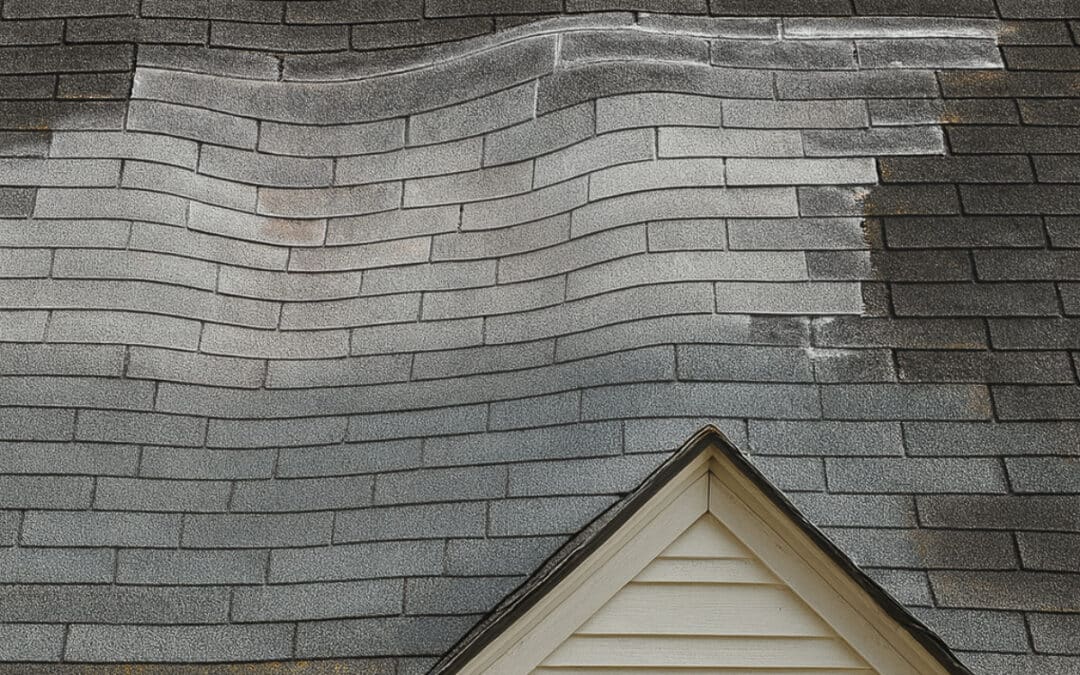
When most homeowners think of a roof, they picture shingles — the visible outer layer that shields their home from rain and sunlight. But beneath those shingles lies the real backbone of your roofing system: the Roof Decking.
It’s the layer that everything else depends on. When it’s strong, your roof can handle storms and time. When it’s weak, no amount of new shingles will save it. Many homeowners don’t even realize roof decking exists until an inspector points it out during a roof replacement — often followed by a higher-than-expected estimate.
Let’s break down what roof decking actually does, how it fails, and why it’s critical to your home’s long-term protection and safety.
What Is Roof Decking and Why It Matters
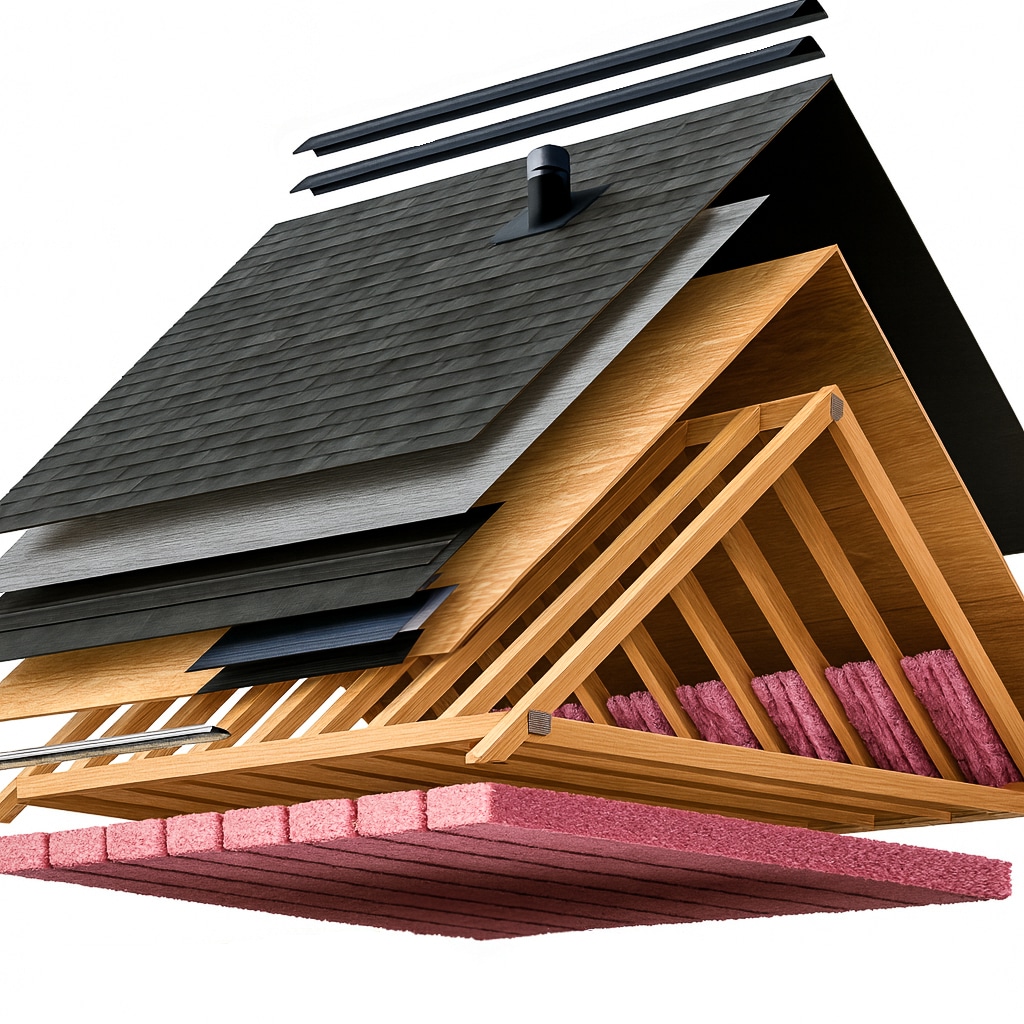
Think of decking as your roof’s skeleton. It provides:
- Structural support – Holds shingles, nails, and underlayment in place.
- Weather protection – Keeps water out and maintains the roof’s integrity.
- Safety and insulation – Helps distribute weight evenly and stabilize the roof frame.
When your roofer says you “need new decking,” it usually means water, rot, or age has weakened this layer — and replacing shingles without addressing it would be like painting over a crumbling wall.
How Roof Decking Gets Damaged
Decking damage isn’t always visible from the outside — which is why many homeowners are shocked when a roofing contractor reveals the problem during a replacement. Here’s what commonly causes it:
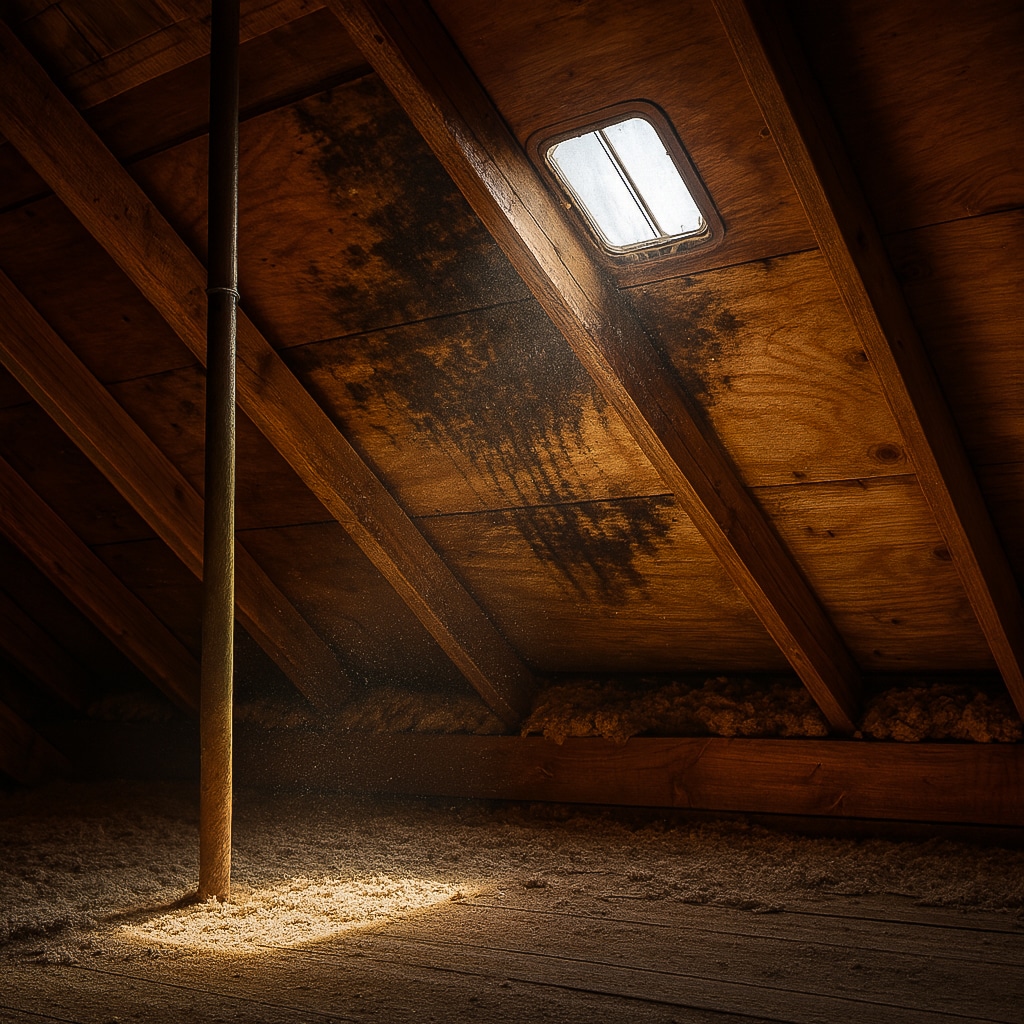
- Water Leaks – Persistent moisture from small Roof Leaks can soak into decking, causing rot or mold.
- Improper Ventilation – Trapped attic heat and humidity warp or weaken decking from underneath.
- Previous Roof-Over Jobs – Adding a new roof over an old one doubles weight and traps moisture, accelerating decay.
- Storm Damage – Hail and wind can loosen shingles, letting water reach the decking below.
Once the wood softens or deteriorates, it loses its ability to hold nails — meaning new shingles won’t stay secure, and leaks will keep spreading.
How Roofers Identify Rotten or Weak Decking
Professional roofing contractors inspect decking during a Roof Replacement by removing old shingles and underlayment. Signs of damage include:
- Dark, discolored areas (water stains).
- Soft or spongy boards.
- Mold or mildew growth.
- Nails that no longer hold firmly.
If only a few sheets are affected, a partial replacement may be enough. But if widespread damage is found, a full re-deck may be the only safe option.
The Risks of Ignoring Roof Decking Problems
Skipping decking replacement might save money upfront — but it can cost far more later.
- Leaks Spread Faster: Water will find every weak spot.
- Shingles Fail Early: Without solid support, New Shingles lift and crack.
- Insurance May Deny Claims: Many carriers reject storm claims if rotted decking was left in place.
- Resale Value Drops: Home inspectors flag structural issues, making it harder to sell your home.
Simply put, roof decking is the last place you want to cut corners. A solid foundation ensures your investment in shingles and labor truly lasts.
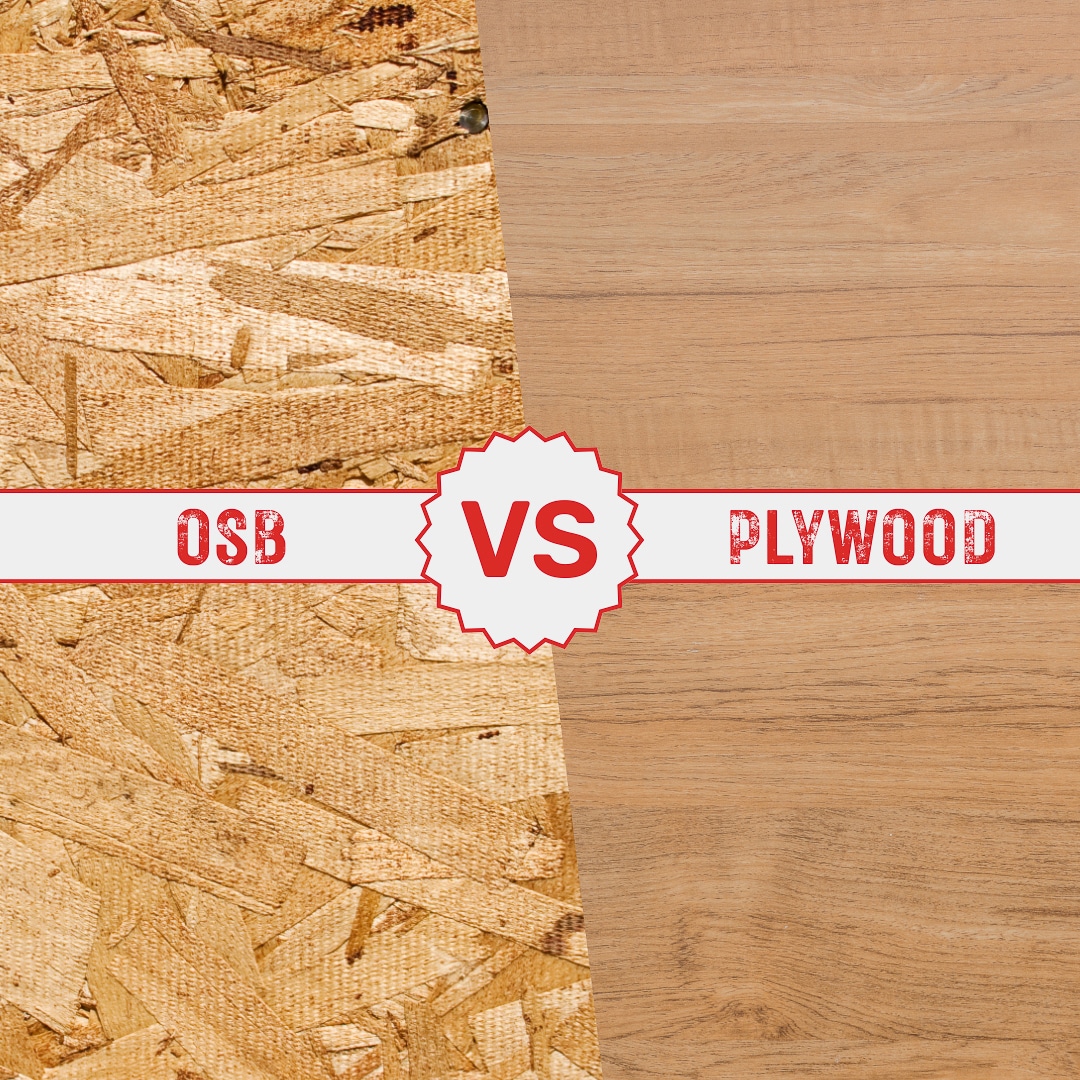
Plywood vs. OSB: What’s Under Your Roof?
- OSB is affordable and consistent in quality but can swell when soaked.
- Plywood resists moisture better and dries faster, though it’s pricier.
A skilled roofing company will recommend the best option based on your home’s design, local humidity, and roof slope.
How to Know If You Need New Decking
- Roof leaks or ceiling stains after rain.
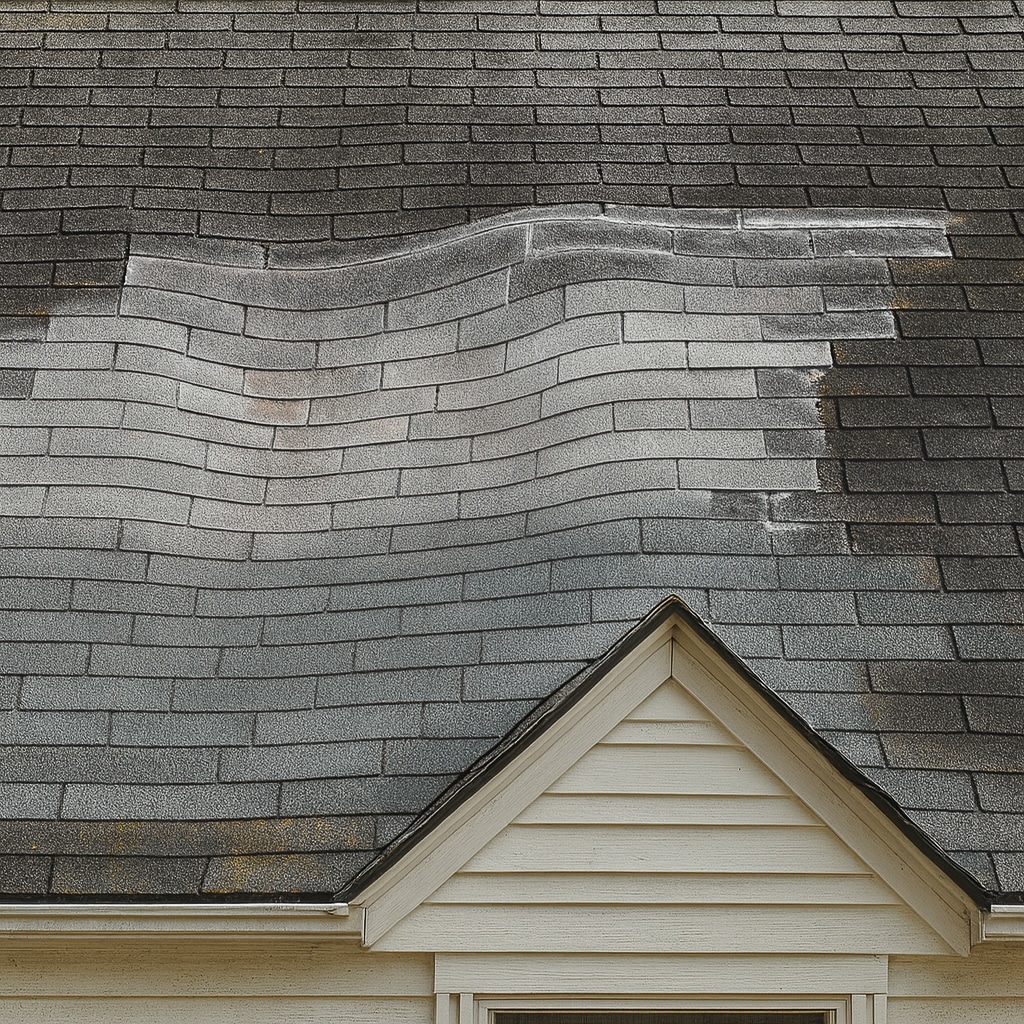
- A wavy or uneven roofline.
- Soft spots when walking in the attic.
- Shingle nails popping or pulling through.
If any of these sound familiar, it’s worth scheduling an inspection. A trained roofing professional can check your decking from both the attic and roof surface to confirm whether replacement is needed.
Schedule your free roof inspection with Good Shepherd Roofing today.
From Confused to Confident: Understanding Your Roof Estimate
Before, you might’ve wondered if decking replacement was really necessary.
After understanding what’s at stake — your roof’s strength, safety, and resale value — you can make an informed decision with confidence.
Because the truth is, what’s hidden beneath your shingles is what protects everything beneath your roof.
Span Ratings: What the Numbers on a Panel Mean
Every sheet of structural roof panel is stamped with a span rating, and it is the number that decides whether the panel is right for your roof.
The rating expresses the maximum spacing of the framing the panel is allowed to span. Rafters and trusses in most homes here sit at a standard spacing, and the panel has to be rated for at least that distance. Use a panel rated for less, or spread the framing further than the panel allows, and the deck flexes between supports.
Thickness follows from that. A thicker panel spans further and holds fasteners better. It is also the reason a roof can feel springy underfoot even when nothing has rotted: the deck is sound but under-specified for the framing beneath it.
Panel standards and span ratings are published by APA, the Engineered Wood Association, and minimum requirements appear in the International Residential Code.
Panel Gaps and Edge Support
Wood panels take up and give off moisture, and they change size as they do. That is why a small gap is left between panels at their edges and ends when a deck is laid.
Panels butted tightly together have nowhere to go when they swell. They push against each other and buckle, and the result telegraphs straight through the shingles as visible ridges and waves across the roof. If you have looked at your roof from the street and thought it looked rippled, this is one of the two usual causes. The other is deflection from a failing deck.
The second detail is edge support. Where the long edge of a panel falls between two rafters rather than on one, that edge is unsupported. It is held either by blocking underneath or by small metal H-clips pushed between the panels. Without one or the other, the joint moves independently of the panel next to it, and the difference shows through the covering.
The Job Your Deck Does That Nobody Mentions
A roof deck is not only a surface to nail shingles to. Sheathing fastened across the framing ties the whole roof plane together and acts as a diaphragm, distributing lateral loads from wind into the walls of the house.
That is the reason fastener schedules for sheathing are written into building codes rather than left to preference, and why they specify closer spacing at panel edges than in the middle of a panel, closer still in high wind regions.
It also explains something that surprises homeowners: the deck is part of how the roof resists being pulled off. Every layer above it, the underlayment, the flashing and the covering, is fastened into the deck. Its ability to hold a nail governs the wind performance of everything on top of it.
Board Decking on Older Homes
Not every roof has panels. Plenty of older homes in this area have plank or board decking: individual boards laid across the rafters, sometimes with gaps between them.
Spaced board decking was normal under wood shakes, which were designed to be ventilated from beneath. It becomes a problem when a modern covering that needs continuous support is installed over it, because asphalt shingles bridging a gap have nothing behind them.
Where we find spaced boards under an old roof, the usual answer is to overlay the existing boards with a structural panel to give the new covering a continuous surface. That is a cost worth knowing about before it appears mid-project.
Why Deck Replacement Appears on Your Estimate
Deck condition cannot be fully established until the old covering is off. That is not evasion, it is the nature of the thing: the deck is under the roof, and the roof is what is being removed.
So a replacement estimate normally carries a stated allowance for deck replacement. A quantity is assumed, priced, and then reconciled against what is actually found once the roof is stripped. If less is needed, the difference comes off. If more is needed, you are told before it goes on.
What you should look for in any estimate is that this is stated explicitly. An estimate with no deck provision at all is not cheaper, it is simply incomplete, and the conversation happens later with the roof open and less room to negotiate. See how to read a roofing estimate.
Frequently Asked Questions
What is roof decking on a house?
Do I need to replace roof decking when getting a new roof?
What happens if you don’t replace damaged roof decking?
Worried About Your Roof Deck?
If your roof looks wavy, feels soft underfoot, or you have been told the deck needs replacing and want a second opinion, book a free roof inspection. We will look at it, photograph what we find, and tell you honestly what is there.
For replacement work itself, see roof decking repair and replacement.