

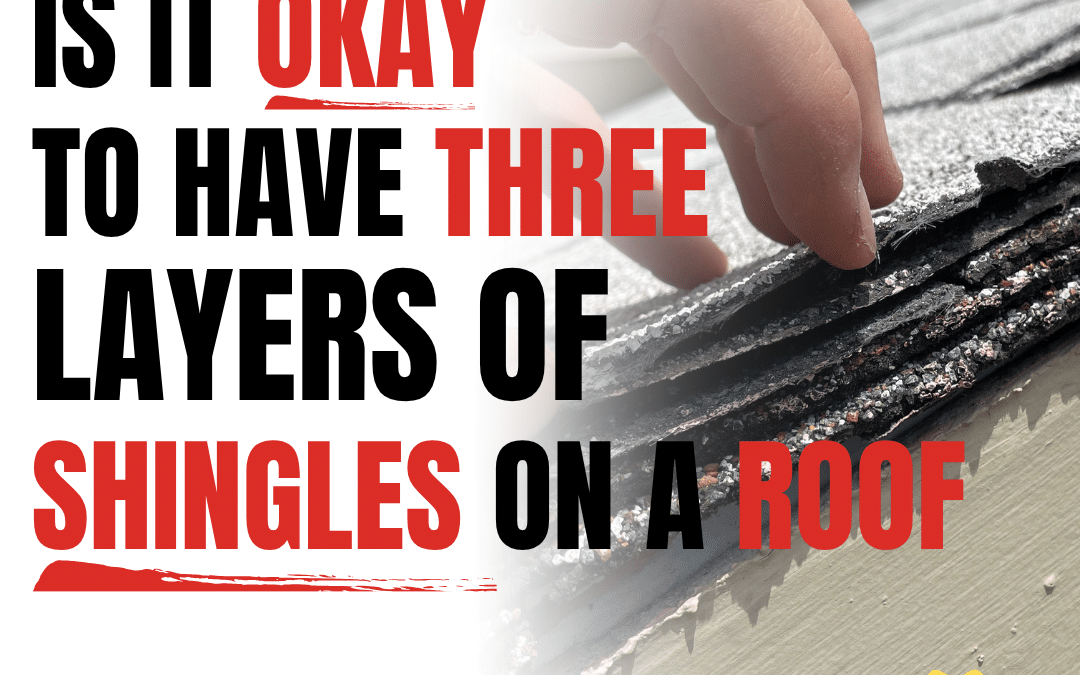
No, it is not okay to have three layers of shingles on a roof. Most building codes across Georgia, including Dacula, limit residential roofs to a maximum of two shingle layers. Adding a third creates serious structural, safety, and insurance problems. Homeowners often consider a third layer to save money on a tear-off, but the long-term costs, code violations, and roof failures almost always outweigh the short-term savings.
The Direct Answer: Why Three Layers Is Not Allowed
Three layers of asphalt shingles on a residential roof is prohibited by the International Residential Code (IRC) and adopted statewide in Georgia. The maximum allowed is two layers. A third layer adds excessive weight, traps heat, hides damage beneath, and voids most manufacturer warranties and homeowner insurance policies.
That is the rule. The reasons behind it matter just as much for homeowners weighing their options.
What Building Codes Say About Shingle Layers
Georgia follows the IRC, which permits a maximum of two shingle layers on any structure with a slope of 4:12 or greater. Roofs with lower slopes are limited to one layer. Dacula inspectors enforce this strictly during permit reviews. A third layer applied without a permit can lead to failed inspections, forced removal at the owner’s expense, and complications during a future home sale. Code-compliant roofing also protects resale value, since buyers and appraisers routinely check layer count.
Why Most Roofs Can’t Structurally Handle It
A standard asphalt shingle weighs roughly 2.5 to 4 pounds per square foot per layer. Three layers can push roof load past 12 pounds per square foot, far beyond what typical residential truss systems are engineered to support. The result is sagging decking, cracked rafters, and premature failure. Heat retention also accelerates shingle aging, shortening the new layer’s lifespan by years. The savings from skipping a tear-off rarely justify the structural risk.
Understanding the rule is one part of the answer. The more useful question for most homeowners is what to do when a complete roof replacement becomes the safer, code-compliant path forward.
What Happens If You Already Have Three Layers
If your home already has three layers, it likely happened before stricter code enforcement or through unpermitted work. The roof is not automatically dangerous, but it is operating outside code and outside its design limits. Insurance claims can be denied. A future buyer’s inspector will flag it. And the underlying decking may already be compromised from trapped moisture and excess weight.
The right next step is having a professional roof inspection done before damage spreads to the structure below.
Signs Your Roof Is Overloaded
Watch for visible sagging along the ridge or between rafters, interior cracks in ceiling drywall, doors that stick after seasonal changes, and granule loss heavier than normal. Inside the attic, look for bowed decking, daylight at seams, or rusted fasteners. Any of these means the roof needs immediate evaluation, not another patch.
Tear-Off vs. Layover: The Smarter Long-Term Choice
A layover saves 20 to 30% upfront compared to a full tear-off. That looks attractive until you account for the shortened lifespan, voided warranties, and the eventual double tear-off when both layers must come down at once. A single-layer tear-off and replacement typically lasts 25 to 30 years with proper ventilation. A second-layer layover usually fails within 12 to 15 years and is something that Good Shepherd Roofing would never recommend.
For Dacula homeowners planning to stay in their home, tear-off is almost always the lower lifetime cost. For sellers, it protects appraisal value and inspection outcomes.
Conclusion
Three layers of shingles is not code-compliant, not structurally safe, and not financially smart. Two layers is the legal maximum, and even then, a full tear-off usually delivers better long-term value and is the right choice.
If your roof is aging, layered, or showing stress, a qualified inspection gives you clarity before small issues become structural ones. Knowing your roof’s true condition is the foundation of every smart decision.
At Good Shepherd Roofing, we help Dacula homeowners evaluate, repair, and replace their roofs with honest guidance and code-compliant workmanship. Contact us today for a thorough inspection.
Frequently Asked Questions
How many layers of shingles are legally allowed on a roof?
Most building codes, including those followed in Dacula, GA, allow a maximum of two layers of asphalt shingles on a residential roof with adequate slope.
Does a third layer of shingles void my insurance?
Yes, in most cases. Insurance carriers commonly deny claims on roofs with code violations, and three layers typically falls into that category.
Can a roofer install a third layer of shingles?
A reputable, licensed roofer will refuse. Installing a third layer violates code, voids warranties, and exposes the contractor to liability.
Will three layers of shingles damage my roof deck?
Yes. The added weight and trapped heat accelerate decking rot, fastener failure, and rafter stress, often leading to costly structural repairs.
Is it cheaper to layer shingles than tear off?
Short-term, yes. Long-term, no. Layered roofs fail faster and require a more expensive double tear-off later, eliminating the initial savings.