

Professional HVAC in Dacula, GA

Your heating and cooling system is more than just an appliance. It works together with your home’s electrical infrastructure to regulate comfort, airflow, efficiency, and performance. When an HVAC system is outdated, overloaded, or improperly integrated, the signs can appear gradually: uneven temperatures, rising energy bills, frequent cycling, and constant strain on the system can all indicate an underlying issue.
With professional HVAC in Dacula, GA, your system can be evaluated and serviced with the overall needs of your home in mind. Many homes were not designed for modern heating and cooling demands, especially after additions, renovations, or other upgrades. Over time, the original HVAC system may no longer adequately support the space.
Your HVAC system also depends on reliable electrical infrastructure. Electrical systems must safely accommodate the startup demands and ongoing energy use of heating and cooling equipment. When these systems are not properly coordinated, efficiency and reliability can suffer.
Proper HVAC planning looks beyond the equipment itself. By considering the home’s layout, electrical capacity, airflow, and overall system demands, Good Shepherd Roofing helps create heating and cooling solutions that support lasting comfort and performance.
We Evaluate Systems, Not Just Equipment
Most contractors just replace units. We evaluate total home integration.
Before installing new HVAC equipment or upgrading electrical infrastructure, we assess your home as a complete, connected system. Installing high-efficiency equipment without correcting underlying airflow or electrical imbalances leads to reduced lifespan and higher energy bills.
Our comprehensive evaluation ensures:
- Holistic Home Assessment: We review HVAC load calculations, ductwork design, insulation levels, and electrical panel capacity to guarantee your new system performs exactly as designed.
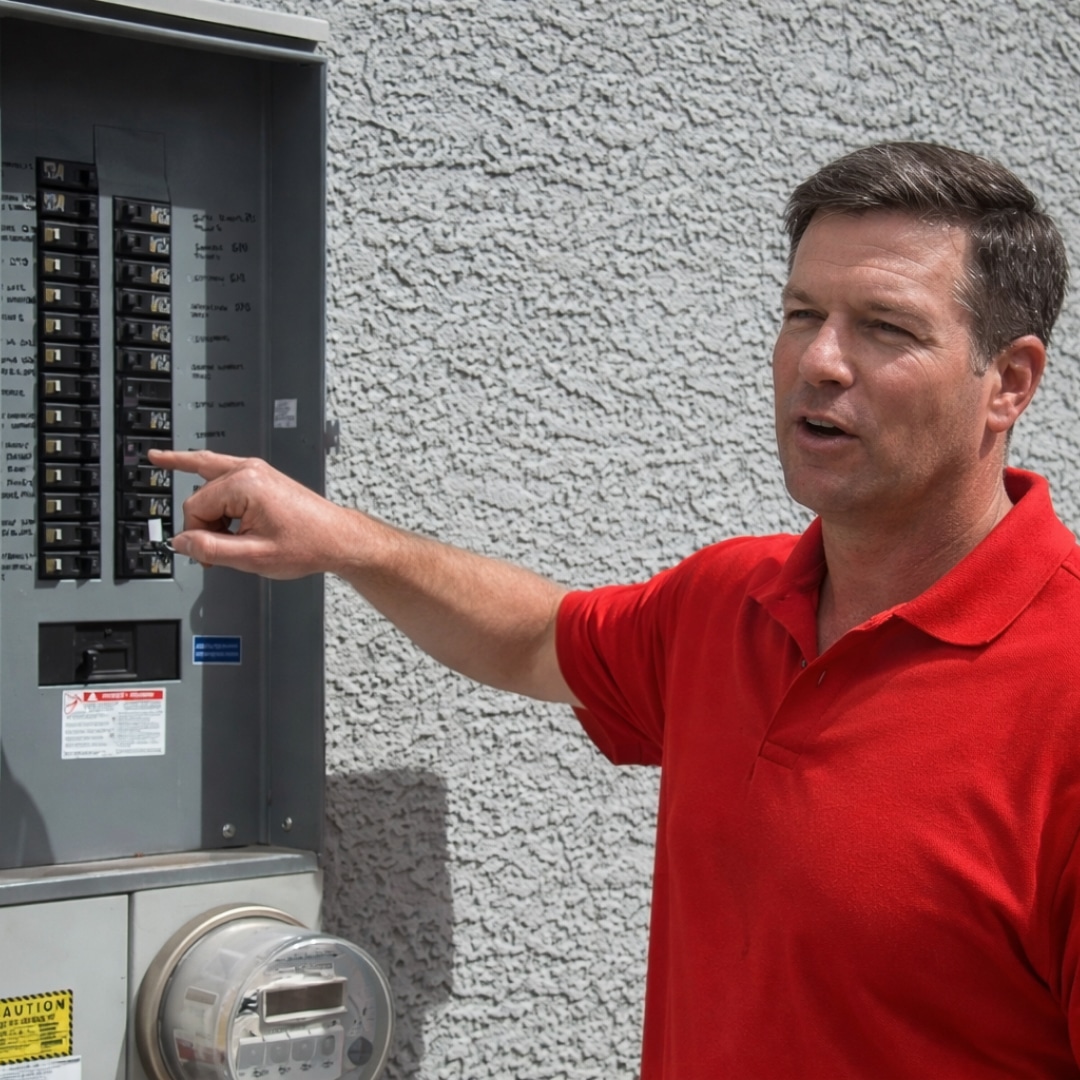
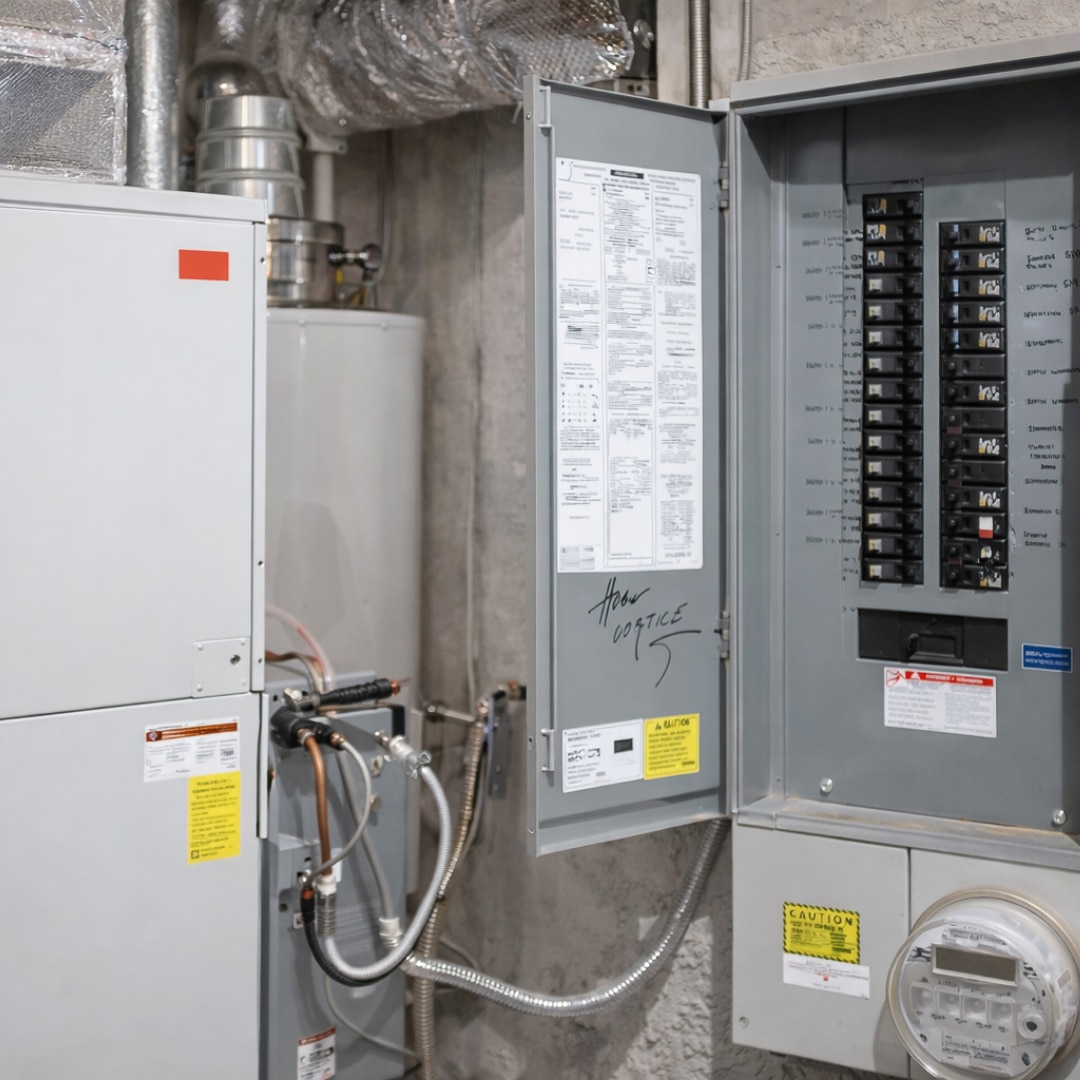
- Electrical & Mechanical Alignment: We verify that service panels, circuits, and wiring can safely support mechanical demand. This prevents nuisance breaker trips, voltage fluctuations, and premature equipment strain.
- Optimized Performance for Georgia Homes: When HVAC and electrical systems are intentionally coordinated, your home’s airflow stabilizes, energy usage becomes predictable, and your systems run efficiently, even during peak Georgia summer heat.
Our Process: Evaluate, Correct, & Integrate
We don’t just install equipment; we engineer a coordinated system. Our methodical approach ensures your home’s mechanical and electrical systems work in perfect harmony:
- Comprehensive Evaluation: We begin by reviewing your home’s electrical load capacity to determine if panel upgrades, dedicated circuits, or wiring adjustments are needed. Simultaneously, we calculate precise HVAC sizing based on your home’s square footage, insulation performance, and existing airflow distribution.
- Strategic Correction & Installation: If upgrades are necessary, we correct the electrical infrastructure before any new equipment is installed. This guarantees the system operates within safe, efficient limits. HVAC components are then meticulously installed or adjusted to align perfectly with your ductwork, ventilation pathways, and return air requirements.
- Final Verification & Balancing: We conclude with rigorous airflow balancing and system verification. We confirm that temperature control is consistent and electrical draw is stable.
The objective is never just “new equipment.” The objective is coordinated, long–lasting performance. When every phase is intentionally aligned, your home’s comfort becomes consistent, energy bills drop, and mechanical strain is drastically reduced.
Get a Free, No-Obligation Quote
We’ll assess your space and give you a clear plan forward
Stable Comfort, Predictable Performance
When HVAC and electrical systems are properly integrated, you get more than just new equipment. You get even temperature control, stabilized energy consumption, and improved electrical reliability.
By ensuring circuits are sized correctly and systems operate within their intended design range, we reduce premature wear, prevent unexpected failures, and protect your home’s long-term value.
Comfort is not accidental. It is engineered.
Not Sure If Your HVAC or Electrical System Is Balanced?
Frequent breaker trips, hot and cold spots, inconsistent airflow, or unexplained spikes in your utility bills are clear warning signs. While they may not mean immediate system failure, they point directly to underlying inefficiencies where your mechanical and electrical systems are out of alignment.
If you are planning renovations, home additions, or equipment replacements, a professional system evaluation must happen before upgrades begin. Installing new, high–efficiency equipment into a strained or outdated infrastructure only leads to premature wear and poor performance.
Our structured evaluation reviews your electrical load capacity, airflow distribution, and overall system coordination to pinpoint exactly what needs adjustment.
Don’t let your home’s systems compete against each other.
HVAC & ELECTRICAL FAQs
How Do I Know If My HVAC and Electrical Systems Are Properly Sized?
Proper sizing is determined through load calculations, not assumptions. HVAC equipment must match the square footage, insulation levels, duct layout, and airflow requirements of the home. Electrical panels must support both sustained demand and startup loads without strain.
If a system is undersized, you may notice uneven temperatures, extended run times, or rooms that never feel fully comfortable. If it is oversized, short cycling and humidity imbalance can occur. Electrical undersizing often presents as breaker trips, dimming lights, or circuits that feel overloaded.
Sizing should reflect the home as it exists today, not how it was originally built. Renovations, additions, insulation upgrades, and window replacements all change demand. A structured evaluation confirms whether your current systems are aligned with your home’s actual load.
Can I Replace My HVAC System Without Upgrading My Electrical Panel?
In some cases, yes. In many cases, it depends on the capacity and condition of the existing panel. Modern high-efficiency HVAC systems can require significant startup amperage, and older panels may not be designed to handle that demand consistently.
If the electrical system is near capacity, installing new mechanical equipment without adjustment can result in nuisance breaker trips or voltage fluctuations. These issues reduce equipment lifespan and create performance instability.
Before replacement, panel capacity, circuit size, and wiring condition should be reviewed. Coordinating electrical and mechanical systems ensures that new equipment operates within safe and stable limits.
Why Does My Breaker Trip When My Air Conditioner Starts?
Air conditioning systems draw a surge of power at startup. If the breaker is undersized, aging, or sharing a circuit with additional loads, it may trip when the system cycles on.
Breaker trips are not always a sign of a defective HVAC unit. They often indicate electrical strain, improper circuit allocation, or wiring limitations. Repeated trips should not be ignored, as they can signal deeper imbalance.
A coordinated evaluation reviews breaker ratings, wire sizing, and equipment demand to determine whether electrical support matches mechanical load. Correcting the underlying issue prevents recurring disruptions.
Do HVAC and Ventilation Systems Affect Electrical Performance?
Yes. HVAC systems influence total electrical demand throughout the home. When airflow is restricted or insulation is insufficient, HVAC equipment runs longer cycles, increasing sustained electrical draw.
Extended run times place additional strain on motors and compressors. This increased demand can impact panel load distribution and overall electrical stability. Poor ventilation and moisture conditions may also affect components over time.
Mechanical and electrical systems operate together. Evaluating them in coordination reduces inefficiency, prevents strain, and supports long-term reliability.
When Should HVAC and Electrical Systems Be Evaluated Together?
Evaluation is recommended before major renovations, additions, insulation upgrades, or window replacements. Structural changes alter airflow patterns and electrical demand. Ignoring these shifts can create imbalance.
Homeowners also consider evaluation when energy bills rise unexpectedly, temperatures vary from room to room, or breakers trip during peak usage. These symptoms often indicate coordination issues between systems.
Assessing HVAC and electrical infrastructure together ensures that performance improvements are stable, efficient, and durable rather than temporary fixes.
Other Services We Provide
We don't just replace and repair roofs. Good Shepherd Roofing delivers full interior and exterior improvement services throughout Atlanta, Dacula, Buford, Braselton, Lawrenceville, Suwanee, Winder, Auburn, Sandy Springs, Roswell, and across North Georgia.
Explore our additional services below:
Interior Services

Exterior Services

Customer Testimonials
Good Shepherd’s HVAC & electrical integration service made a huge difference in our home. Uneven temperatures and breaker trips were a constant issue — now everything runs smoothly and efficiently. The team took time to explain the system and gave smart recommendations!
We had plans to upgrade our HVAC, but knew nothing about electrical capacity. The crew at Good Shepherd evaluated both and helped us avoid future problems by correcting wiring and panel issues first. Highly professional, thorough, and worth every penny!
Amazing service! They didn’t just install a new system — they made sure all components worked together as a coordinated system. Energy bills are down, airflow is consistent, and the electrical panel is solid. Fantastic experience from start to finish!
Restore System Performance & Stability
Your home’s comfort depends on a reliable HVAC system working efficiently with the rest of the home. If your heating or cooling system isn’t performing the way it should, call us to discuss your options and find the right solution for your home.