

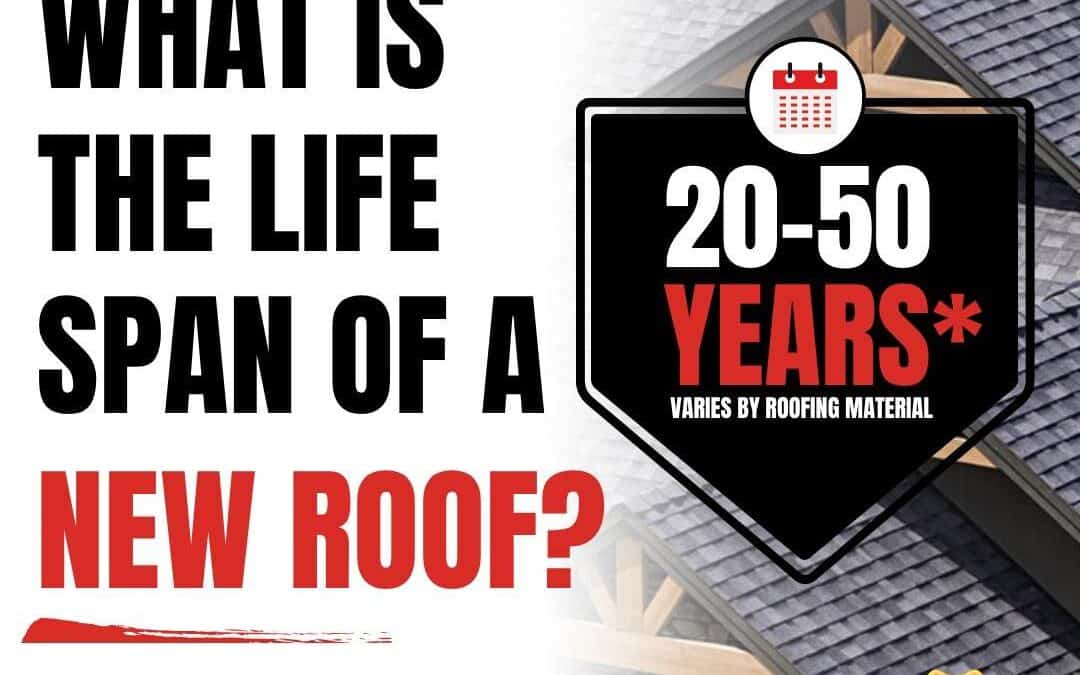
A new roof typically lasts 20 to 50 years, depending on the material, installation quality, and climate exposure. For homeowners in Dacula, GA, a properly installed asphalt shingle roof generally protects a home for 25 to 30 years, while metal, tile, and slate roofs can stretch decades beyond that. Understanding lifespan helps you plan smarter, budget confidently, and protect your property’s long-term value.
How Long Does a New Roof Last on Average?
A new roof lasts between 20 and 50 years on average, with most asphalt shingle roofs in Georgia performing reliably for 25 to 30 years. Metal roofs often last 40 to 70 years, while tile and slate can exceed 50 years. Lifespan depends on material grade, installation, ventilation, and ongoing care.
Lifespan by Roofing Material
Material is the single biggest factor shaping how long your new roof will perform. Three-tab asphalt shingles typically last 12 to 20 years, while architectural shingles reach 25 to 30 years. Standing seam metal roofs commonly serve homes for 40 to 70 years. Clay and concrete tile roofs can last 50 years or more, and natural slate often exceeds a century when installed correctly. Choosing the right material means balancing upfront cost against decades of expected service, energy efficiency, and resale value for your Dacula home.
What “Lifespan” Really Means for Homeowners
Lifespan refers to how long your roof can reliably protect your home before requiring full replacement. It does not mean zero maintenance during that window. Even a 30-year roof needs periodic inspections, minor repairs, and timely fixes after storms. Manufacturer warranties cover material defects, but real-world performance depends on how the roof is installed, ventilated, and maintained throughout its service life.
Knowing the average range answers the headline question. The more practical question is what determines where your specific roof lands within that range, starting with the quality of the original installation.
What Factors Affect the Lifespan of a New Roof in Dacula, GA?
Several variables push a roof toward the short or long end of its expected lifespan. In North Georgia, the climate plays a major role. Humid summers, sudden thunderstorms, hail, and falling debris from surrounding trees all accelerate wear. Sun exposure breaks down shingle granules over time, while poor attic ventilation traps heat and moisture that warp decking and shorten material life.
Climate, Installation, and Maintenance Impact
Installation quality often outweighs material choice. A premium shingle installed poorly will fail faster than a mid-grade shingle installed correctly. Proper underlayment, flashing around chimneys and vents, accurate nailing patterns, and balanced attic ventilation are non-negotiable. Routine inspections catch small issues, like lifted shingles or cracked sealant, before they turn into leaks, rot, or structural damage. Trees overhanging the roofline, gutter neglect, and skipped repairs after storms are the most common reasons roofs underperform.
How to Maximize Your New Roof’s Lifespan
Protecting your investment starts with a consistent roof maintenance routine.
Schedule professional inspections at least once a year and after major storms. Keep gutters clean, trim overhanging branches, and address minor issues immediately. Confirm your attic has proper insulation and airflow to prevent heat buildup. Working with a qualified local contractor for repairs and inspections protects your warranty and ensures your roof reaches, or exceeds, its expected lifespan.
Conclusion
A new roof lasts 20 to 50 years, with material, installation, climate, and maintenance shaping the exact outcome for your home.
For Dacula homeowners, making informed choices now means decades of protection, lower long-term costs, and stronger resale value when the time comes.
At Good Shepherd Roofing, we help you choose, install, and maintain a roof built to last. Schedule your inspection today.
Frequently Asked Questions
Does a 30-year shingle really last 30 years?
Not always. The 30-year rating reflects ideal conditions. Real-world lifespan can averages 18 to 27 years, depending on installation, ventilation, climate, and maintenance.
How often should I inspect a new roof?
Inspect your new roof at least once a year and after any major storm. Annual professional inspections catch small issues early and protect your warranty.
Can a new roof last longer than expected?
Yes. Quality installation, balanced ventilation, routine maintenance, and prompt repairs can push a roof several years beyond its average lifespan.
What shortens a new roof’s lifespan the fastest?
Poor installation, blocked gutters, inadequate attic ventilation, storm damage left unrepaired, and overhanging trees are the most common lifespan-shortening factors.
Is metal roofing worth the higher cost?
For many Dacula homeowners, yes. But there is also a question of appearance and if this material will suite the look of your home. Metal roofs last 40 to 70 years, resist storms well, and often deliver better long-term value than asphalt shingles.